P047F
PowertrainExhaust Backpressure Performance
Most of the time this is a stuck exhaust backpressure valve gummed up with carbon and soot, which is a cleaning or replacement job rather than something catastrophic. The valve sits in the exhaust and helps the engine build a bit of backpressure so it warms up quickly and the emissions kit works properly. When the ECU commands it to move and the position sensor says it's stuck open, you get P047F. On diesels this valve lives in a filthy environment, so it sticking up over time is no surprise.
ⓘ Information only. This page provides general educational information about fault code P047F. We do not assess the urgency or safety implications of any specific fault. That requires in-person diagnosis by a qualified mechanic. Full terms.
Recommended next steps
Whether a fault is urgent, drivable, or routine depends entirely on the cause on a specific vehicle, and that can only be determined by a qualified mechanic with diagnostic equipment. If a warning light is illuminated, the most reliable next step is professional diagnosis.
What does P047F mean?
P047F is a Powertrain (engine, transmission, fuel system) fault code. It indicates: Exhaust Backpressure Performance.
This is a standardised OBD-II code. The technical definition is the same regardless of the make or model of vehicle, although specific causes and symptoms can vary between vehicles.
Symptoms commonly associated with this code
Symptoms that drivers often report alongside this code. Not all may apply to every case:
- • Check engine light on, sometimes with no obvious change in how the car drives
- • Engine takes ages to warm up, worst on a cold morning or a short commute
- • Rough running, hesitation or a lumpy idle while the engine is still cold
- • Down on power until it reaches temperature, then it clears
- • Fuel economy drops noticeably on short stop-start journeys
- • The odd stall when cold, on the worst examples
Possible causes
Causes commonly associated with P047F, listed in approximate order of typical investigation. The actual cause on a specific vehicle can only be confirmed by professional diagnosis.
- 1. Valve mechanically seized open from carbon and soot buildup, by far the usual story on a high-mileage diesel
- 2. Faulty valve position sensor reporting the wrong position when the valve is actually fine
- 3. Backpressure sensor that has drifted out of range or packed up altogether
- 4. Corroded or chafed wiring and a poor connector at the valve, very common where it's exposed to road salt underneath
- 5. Rust or condensation in the valve pivot and return spring stopping it moving cleanly
- 6. Blocked or split sensor pressure tube giving a false reading
How mechanics typically diagnose
A typical diagnostic sequence used by mechanics, provided here for educational reference only. Diagnostic work should be performed by a qualified mechanic with the appropriate tools and training.
- 1. Pull all stored codes and the freeze frame data, then note whether the fault sets cold or hot, that tells you a lot about a sticking valve
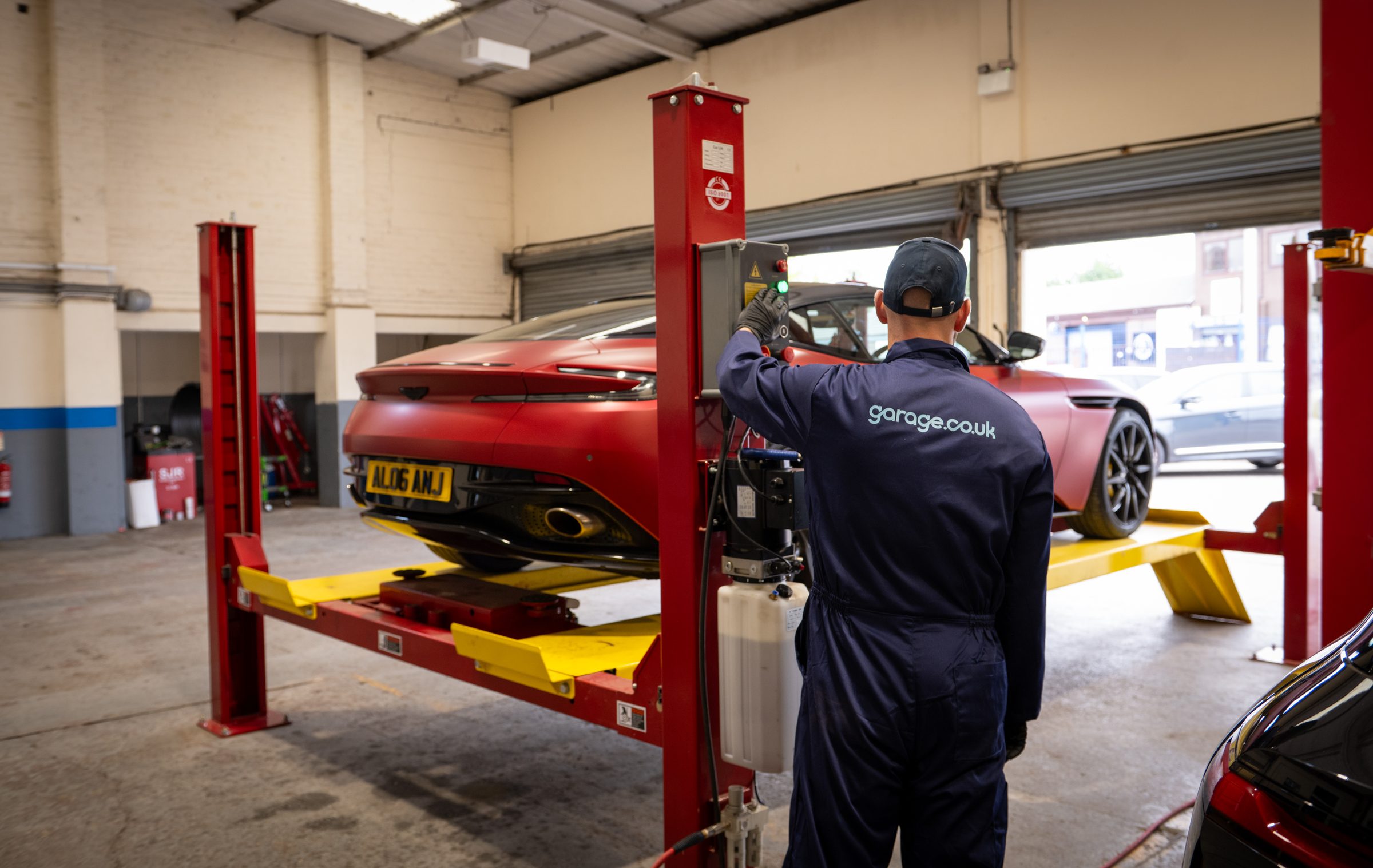
- 2. Get the car on a ramp and physically inspect the valve and its linkage for carbon, rust and binding, and check it moves freely by hand where you can reach it
- 3. Inspect the wiring and connector at the valve for green corrosion, broken pins or chafing against the exhaust, this is cheap to find and cheap to fix
- 4. Back-probe the connector with a multimeter to confirm the valve is getting its supply and the position signal is sensible
- 5. Watch live data and compare commanded valve position against actual position, a flatline that won't follow the command points straight at a stuck valve or dead sensor
- 6. Check the sensor pressure tube for blockage or splits before condemning the valve itself
Common questions about P047F
How do I know if it's the valve itself or just dodgy wiring underneath? +
Live data settles it. Command the valve and watch whether the actual position follows. If it does nothing or jumps about, get a multimeter on the connector. Good supply voltage and a dead valve means the valve or its motor. No supply or a signal that vanishes when you wiggle the loom means wiring or the connector, which is the cheaper outcome. Underbody connectors on UK cars take a hammering from salt, so always rule that out before you buy parts.
How long is the actual repair once they've found the fault? +
A wiring or connector repair is an hour or so of labour. Cleaning a carboned-up valve, where that's an option, is around an hour to an hour and a half if it comes apart without a fight. Replacing the valve runs roughly one to two hours, and it climbs if the fasteners are rusted solid and need heat or drilling out. A drifted sensor on its own is usually the quickest of the lot.
Is a cheap aftermarket valve worth it or should I pay for genuine? +
For wiring repairs and the sensor, a decent aftermarket part is fine. For the valve assembly itself I'd lean towards OEM or a known quality brand, because the budget eBay ones tend to use weaker return springs and cheaper motors that gum up again within a year in that grimy spot. This fault shows up on plenty of late-2000s to early-2010s VAG diesels (VW, Audi, SEAT, Skoda), and on those the ECU can be fussy about a non-OEM unit reporting position correctly. Pay once and fit a proper part.
More Emissions codes
Other fault codes in the same system as P047F. These often share components, wiring, or root causes, so they can be worth checking if you have more than one code stored.
Information only, not professional advice
The information on this page is provided for general guidance and educational purposes only. It is not a substitute for diagnosis or repair advice from a qualified mechanic. Always verify any fault before paying for repairs. carfaultcodes.co.uk accepts no liability for decisions made based on this information. Full terms →