P0156
PowertrainO2 Sensor Circuit Malfunction (Bank 2 Sensor 2)
Most people first notice this one as a warning light and nothing much else, maybe a slightly thirstier car on a long run. P0156 means the rear oxygen sensor on Bank 2 (the cylinder bank away from number one cylinder) has either gone quiet or is sending the ECU a voltage it doesn't trust. This is the post-cat sensor, so it's there to check the catalytic converter is doing its job rather than to manage the fuel mixture directly. That's why the car usually drives more or less normally with this code stored.
ⓘ Information only. This page provides general educational information about fault code P0156. We do not assess the urgency or safety implications of any specific fault. That requires in-person diagnosis by a qualified mechanic. Full terms.
Recommended next steps
Whether a fault is urgent, drivable, or routine depends entirely on the cause on a specific vehicle, and that can only be determined by a qualified mechanic with diagnostic equipment. If a warning light is illuminated, the most reliable next step is professional diagnosis.
What does P0156 mean?
P0156 is a Powertrain (engine, transmission, fuel system) fault code. It indicates: O2 Sensor Circuit Malfunction (Bank 2 Sensor 2).
This is a standardised OBD-II code. The technical definition is the same regardless of the make or model of vehicle, although specific causes and symptoms can vary between vehicles.
Symptoms commonly associated with this code
Symptoms that drivers often report alongside this code. Not all may apply to every case:
- • Engine warning light on, frequently the only thing you'll actually notice
- • A small dip in fuel economy, usually only obvious over a tankful or two of motorway driving
- • Slightly rough or uneven idle on some engines once they're warm
- • A bit of hesitation when you put your foot down, though this is less common with a rear sensor fault
- • Higher exhaust emissions that show up on an MOT gas test
- • Occasionally a faint exhaust smell if there's a leak feeding extra air past the sensor
Possible causes
Causes commonly associated with P0156, listed in approximate order of typical investigation. The actual cause on a specific vehicle can only be confirmed by professional diagnosis.
- 1. The Bank 2 Sensor 2 oxygen sensor itself worn out or contaminated, the usual suspect on higher-mileage cars after years of heat cycles
- 2. Damaged, chafed or corroded wiring and connectors in the sensor circuit, common where the loom runs near the exhaust and bakes over time
- 3. An exhaust leak ahead of or near the sensor pulling fresh air in and skewing the reading, so the sensor reports nonsense
- 4. A failed heater element inside the sensor, which stops it warming up fast enough to give a stable signal
- 5. Vacuum or intake leaks throwing off the overall air and fuel readings the ECU is working from
- 6. A fuelling fault such as a leaking or weak injector pushing the mixture off and confusing the downstream readings
How mechanics typically diagnose
A typical diagnostic sequence used by mechanics, provided here for educational reference only. Diagnostic work should be performed by a qualified mechanic with the appropriate tools and training.
- 1. Pull the codes and the freeze frame data first, then check whether anything else is stored alongside it. Wiring and exhaust codes on the same bank point you away from the sensor itself
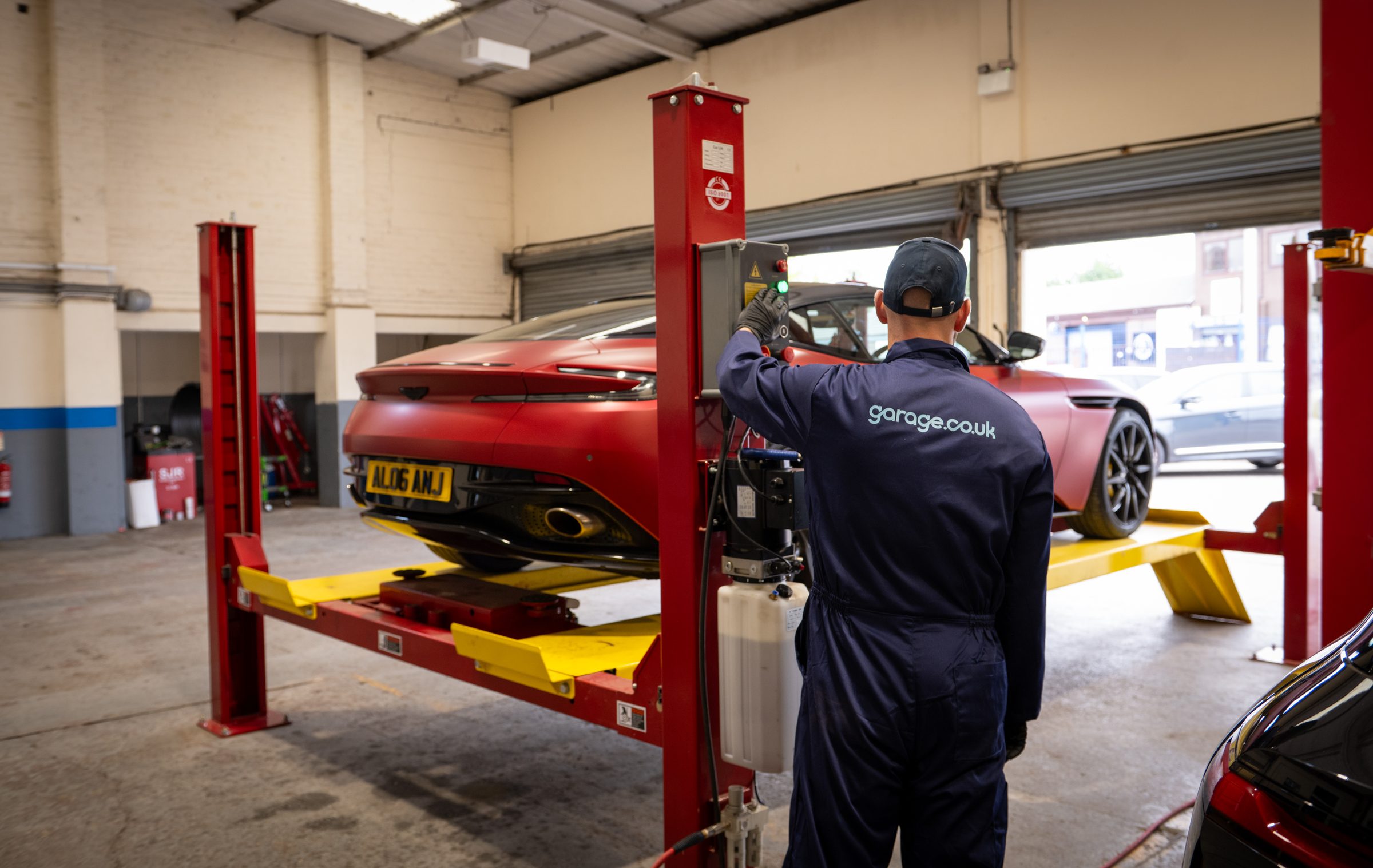
- 2. Get the car on a ramp and eyeball the Bank 2 Sensor 2 connector and the loom running back to it, looking for melting, chafe marks against the exhaust, green corrosion or a loose plug
- 3. Watch the live data from the rear sensor. A working post-cat sensor sits fairly steady, and a flat line or a stuck reading tells you the sensor or its heater is the problem
- 4. Back-probe the sensor with a multimeter to confirm the signal voltage moves in the right band, roughly 0.1V to 0.9V when it's alive and warm
- 5. Check the exhaust either side of the sensor for blows, cracked welds or a tired gasket, because a leak here throws a perfectly good sensor into setting P0156
- 6. Clear the code and take it for a proper drive to see if it comes straight back or stays away
Common questions about P0156
If I clear it, will it actually stay gone? +
Depends entirely on what set it. If it's a genuine dead sensor or a chafed wire, the code will be back within a drive cycle or two once the ECU re-runs its checks, so clearing it on its own buys you nothing. If it was a one-off glitch or you've already sorted a loose connector or exhaust leak, then clearing it and driving a few cycles should settle it. The honest test is to clear it, drive normally for a couple of days, and see whether the light returns.
What am I risking if I just leave it and keep driving? +
Mechanically you're not going to hurt the engine in the short term, because this rear sensor watches the cat rather than running the fuel. You'll likely lose a little economy and the car will be putting out more than it should at the tailpipe. The bigger downside is that with the light on you can't see a more serious code if one crops up later, and a wiring fault left alone tends to spread. So it won't strand you tomorrow, but it shouldn't be ignored for months.
How quickly do I need to sort this out? +
Not an emergency. There's no limp mode and no immediate damage from a Bank 2 Sensor 2 fault, so it's fine to drive it to a garage rather than calling out a recovery truck. That said, deal with it before your next MOT, because an illuminated warning light at the test counts against you and a degraded cat reading can fail the emissions side too. Sorting it within a few weeks is sensible rather than letting it drift.
More Electrical & Sensors codes
Other fault codes in the same system as P0156. These often share components, wiring, or root causes, so they can be worth checking if you have more than one code stored.
Information only, not professional advice
The information on this page is provided for general guidance and educational purposes only. It is not a substitute for diagnosis or repair advice from a qualified mechanic. Always verify any fault before paying for repairs. carfaultcodes.co.uk accepts no liability for decisions made based on this information. Full terms →