P0094
PowertrainFuel System Leak Detected - Small Leak
This can be a quick fix or a proper headache, and the only way to know which is to find where the pressure is dropping. The ECU has spotted that fuel-system pressure is bleeding away faster than it should, which points to a small leak somewhere or a sensor telling fibs. On diesels especially, this usually lives on the high-pressure side, so don't go poking around without understanding the pressures involved. Sometimes it's a perished seal or a loose union; other times it's a tired high-pressure pump that costs proper money.
ⓘ Information only. This page provides general educational information about fault code P0094. We do not assess the urgency or safety implications of any specific fault. That requires in-person diagnosis by a qualified mechanic. Full terms.
Recommended next steps
Whether a fault is urgent, drivable, or routine depends entirely on the cause on a specific vehicle, and that can only be determined by a qualified mechanic with diagnostic equipment. If a warning light is illuminated, the most reliable next step is professional diagnosis.
What does P0094 mean?
P0094 is a Powertrain (engine, transmission, fuel system) fault code. It indicates: Fuel System Leak Detected - Small Leak.
This is a standardised OBD-II code. The technical definition is the same regardless of the make or model of vehicle, although specific causes and symptoms can vary between vehicles.
Symptoms commonly associated with this code
Symptoms that drivers often report alongside this code. Not all may apply to every case:
- • Engine warning light on, frequently with no other obvious sign on petrol cars
- • A clear smell of diesel or petrol, often strongest after the car's been parked up for a while
- • Worse fuel economy, you'll notice you're filling up more often
- • Rough idle or a stumble when you put your foot down
- • Down on power, and on common-rail diesels it may drop into limp mode to protect the system
- • Harder cold starting, the engine cranks longer before it catches
Possible causes
Causes commonly associated with P0094, listed in approximate order of typical investigation. The actual cause on a specific vehicle can only be confirmed by professional diagnosis.
- 1. Perished injector seals or O-rings letting fuel weep, common as the rubber ages and hardens with heat cycles
- 2. Cracked or corroded fuel lines and hoses, look at anything that runs near heat or where it rubs on the body
- 3. Faulty fuel-pressure regulator leaking internally or externally and dumping pressure
- 4. A lying fuel-pressure sensor reporting a drop that isn't really happening, the system is fine but the data is wrong
- 5. A worn high-pressure pump on diesels that can no longer hold the rail pressure, especially at higher mileage
- 6. Damaged wiring or corroded connectors in the fuel-pressure sensor circuit causing erratic readings
- 7. Clogged fuel filter choking flow and pulling the pressure down, cheap to rule out and often overdue for a change anyway
How mechanics typically diagnose
A typical diagnostic sequence used by mechanics, provided here for educational reference only. Diagnostic work should be performed by a qualified mechanic with the appropriate tools and training.
- 1. Read the freeze-frame data so you know what the engine was doing when it logged the fault, idle, cruise or under load tells you a lot about where to look
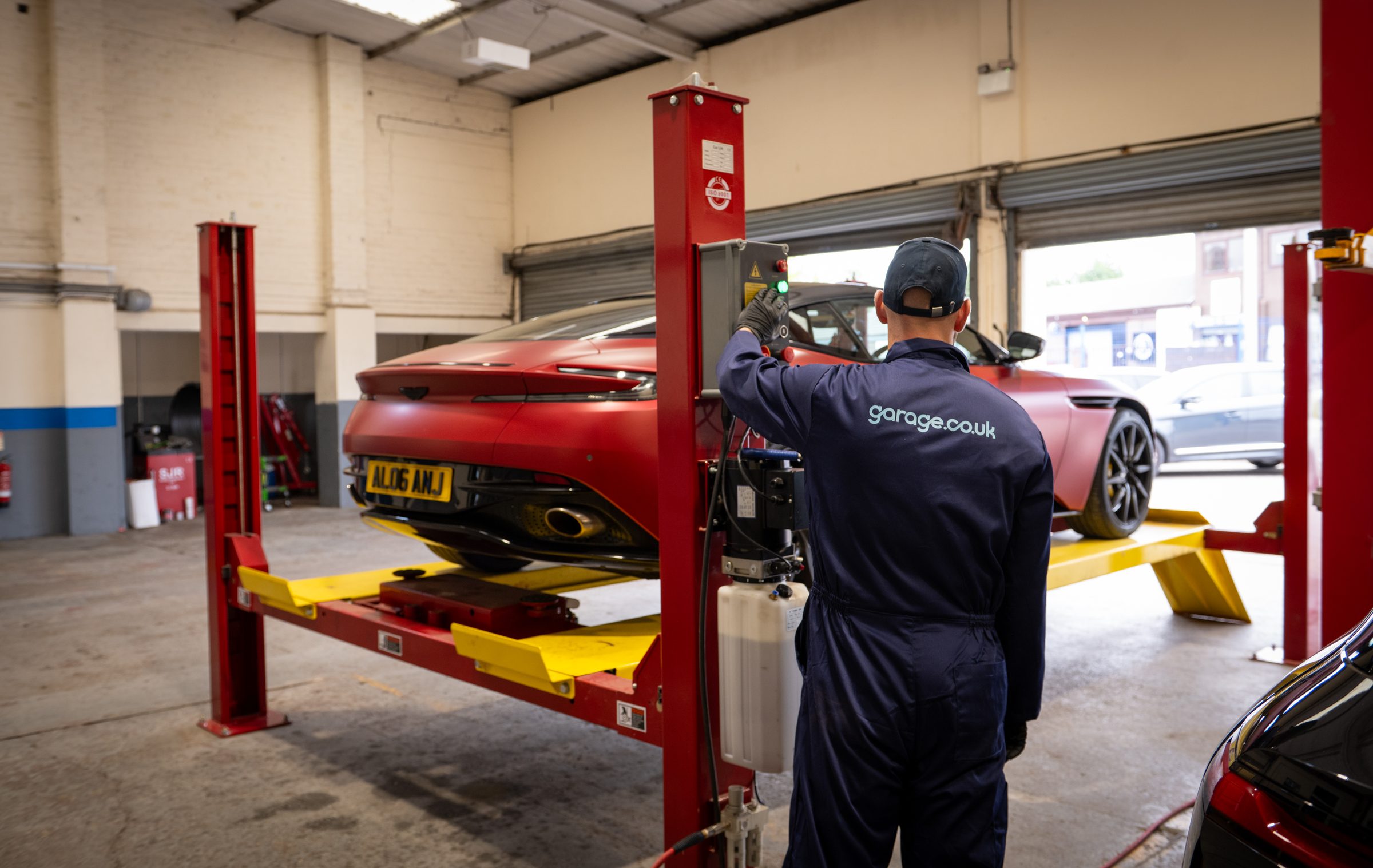
- 2. Get the car up on a ramp and go over every accessible fuel line, injector and union looking for wet patches, staining or the smell of fuel
- 3. Watch live fuel-pressure on the scanner and compare it to the manufacturer's spec, on common-rail diesels you're often looking for a rail pressure that won't build or holds then collapses
- 4. Do a static leak-down test with the engine off and watch how quickly pressure decays, a rapid drop confirms a genuine leak
- 5. Check the fuel-pressure sensor wiring and connector for green corrosion, spread pins or chafed insulation before you condemn the sensor itself
- 6. If nothing's visible, get a smoke test done. Small high-pressure leaks barely show as a damp patch and smoke will find them fast
Common questions about P0094
How long is this likely to keep my car off the road? +
A loose union or a fuel filter change is in and out the same day, maybe an hour of labour. Chasing a small high-pressure leak takes longer because the garage often needs a smoke test and time to strip covers to get eyes on the injectors. A failed high-pressure pump on a diesel is a half-day job once the part arrives, and parts can take a day or two to come in if it's not a common engine. Budget for at least a couple of hours' diagnosis before anyone can tell you a firm timescale.
Should I save money with an aftermarket part or stick with the genuine one? +
Depends entirely on the part. Injector seals, O-rings and fuel hoses from a decent aftermarket brand are absolutely fine and cost a fraction of dealer prices. Where I'd be careful is the high-pressure pump and the pressure sensor on common-rail diesels. Cheap eBay pumps have a poor reputation for holding pressure and you can end up doing the job twice. Buy a reputable reman or OE-quality unit for those, and don't touch the bargain-basement stuff.
Is it safe to carry on driving for now? +
A fuel leak and a hot engine bay is a fire risk, plain and simple, so I wouldn't be running it about more than I had to. If you can smell fuel, stop driving it and get it looked at. If the car's gone into limp mode it'll be slow and gutless but it's protecting itself, so a short low-speed trip to a garage is reasonable. Long motorway runs with a known fuel leak are asking for trouble.
More Fuel System codes
Other fault codes in the same system as P0094. These often share components, wiring, or root causes, so they can be worth checking if you have more than one code stored.
Information only, not professional advice
The information on this page is provided for general guidance and educational purposes only. It is not a substitute for diagnosis or repair advice from a qualified mechanic. Always verify any fault before paying for repairs. carfaultcodes.co.uk accepts no liability for decisions made based on this information. Full terms →