C0045
ChassisLeft Rear Wheel Speed Sensor Circuit
This is a wiring or sensor fault on the left rear wheel speed sensor, the bit that tells the ABS module how fast that wheel is turning. When the module stops getting a sensible signal, it switches off ABS and usually stability control too, then lights the dash up. Your normal brakes still work fine, but you've lost the electronic safety net until it's sorted.
ⓘ Information only. This page provides general educational information about fault code C0045. We do not assess the urgency or safety implications of any specific fault. That requires in-person diagnosis by a qualified mechanic. Full terms.
Recommended next steps
Whether a fault is urgent, drivable, or routine depends entirely on the cause on a specific vehicle, and that can only be determined by a qualified mechanic with diagnostic equipment. If a warning light is illuminated, the most reliable next step is professional diagnosis.
What does C0045 mean?
C0045 is a Chassis (ABS, traction control, steering) fault code. It indicates: Left Rear Wheel Speed Sensor Circuit.
This is a standardised OBD-II code. The technical definition is the same regardless of the make or model of vehicle, although specific causes and symptoms can vary between vehicles.
Symptoms commonly associated with this code
Symptoms that drivers often report alongside this code. Not all may apply to every case:
- • ABS warning light on the dash, usually the first thing you notice
- • Traction control or ESP light comes on alongside it, sometimes with a 'stability control unavailable' message
- • Speedo can flicker or read wrong on cars that take road speed from the wheel sensors
- • ABS and stability control simply don't activate when you'd expect them to under hard braking
- • On a noisy or intermittent signal, you might feel an odd brake pulse at very low speed
Possible causes
Causes commonly associated with C0045, listed in approximate order of typical investigation. The actual cause on a specific vehicle can only be confirmed by professional diagnosis.
- 1. The sensor itself has failed or got clogged with brake dust and road grime. This is the usual culprit, especially on cars that see plenty of British winter salt
- 2. Corroded or chafed wiring in the rear loom. The cable runs near the suspension and gets flexed and soaked over the years
- 3. Dodgy connector at the sensor, water gets in and the pins corrode or back out
- 4. Damaged tone ring on the hub bearing, missing or rusted teeth so the sensor can't read it cleanly. Common on cars where the bearing is on its way out
- 5. Air gap too big between the sensor tip and the tone ring, often from a sloppy previous fit or a worn hub
- 6. Faulty ABS module or a dead input channel for that wheel. Rare, so don't jump here first
How mechanics typically diagnose
A typical diagnostic sequence used by mechanics, provided here for educational reference only. Diagnostic work should be performed by a qualified mechanic with the appropriate tools and training.
- 1. Plug in a scanner and read the lot, not just C0045. If you've also got a hub-bearing rumble or other wheel codes, that points you at the tone ring rather than the sensor
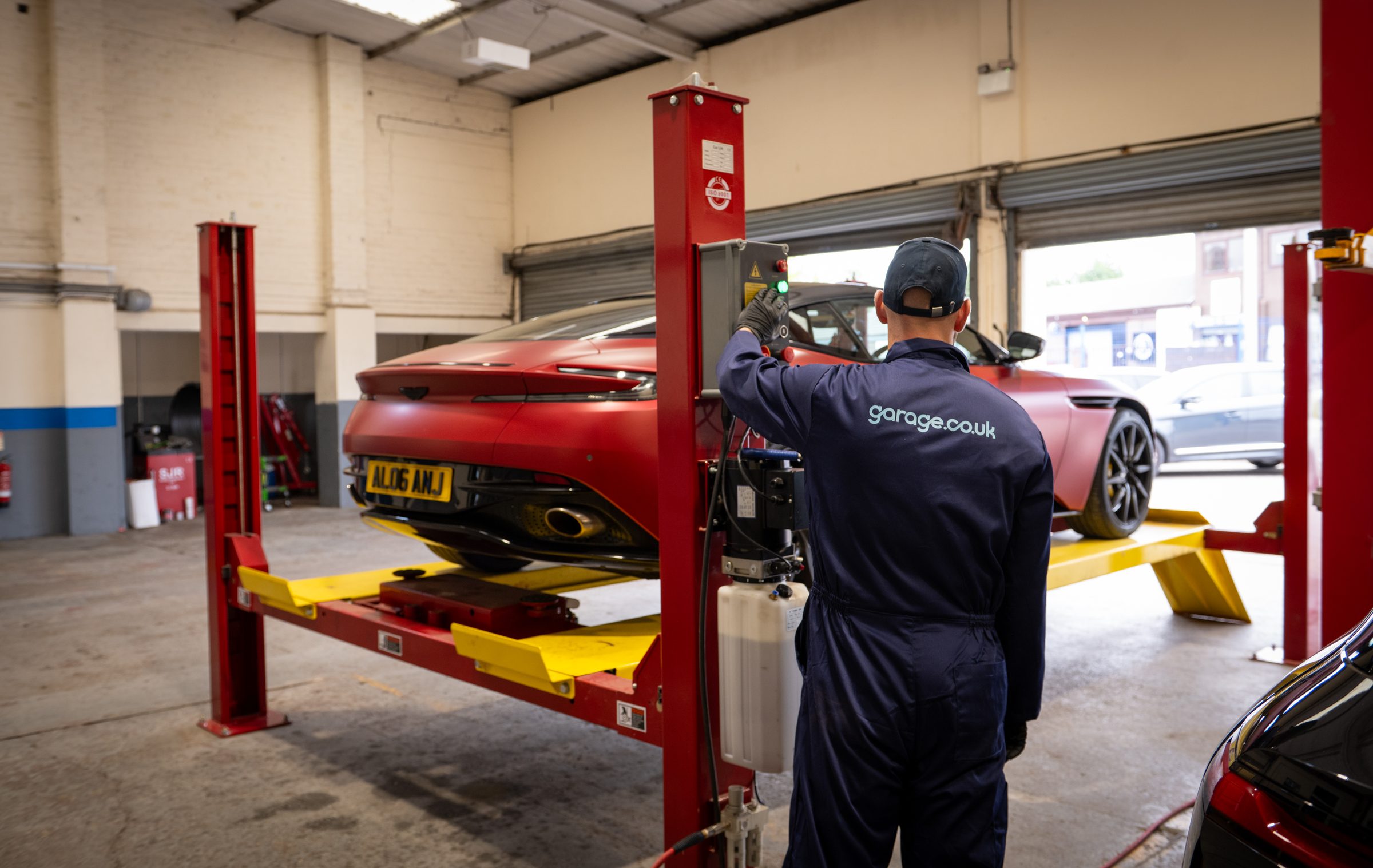
- 2. Get the car up on a ramp or axle stands and eyeball the left rear sensor, the cable run, and the connector. You're hunting for green corrosion, split insulation, or a connector full of water
- 3. Unplug the sensor and measure its resistance against the workshop figure. Most are passive sensors reading somewhere around 1k to 2k ohms; open or shorted means a dead sensor
- 4. Check the tone ring by slowly turning the wheel by hand and watching live data, or just inspect it for rust, cracks, or missing teeth. A flatlining signal with a good sensor usually means the ring
- 5. Spin the wheel and watch the left rear speed in live data against the other three. Drops to zero or spikes that don't match the others confirm where the fault sits
- 6. Clear the codes and road test. Take it up to a steady speed and brake a few times so the ABS self-check runs, then confirm the light stays off
Common questions about C0045
How long should this take to fix? +
If it's just the sensor, a competent garage will have it done inside an hour, sometimes less if it's easy to reach. Most rear sensors on common UK cars unbolt and unclip without much drama. It's chasing a wiring fault that eats the time, tracing a corroded cable can take an hour or two on its own. If the tone ring is part of the hub bearing, you're looking at the best part of a half day because the whole hub or bearing has to come apart.
Is a cheap aftermarket sensor any good or should I pay for OEM? +
A decent brand-name aftermarket sensor from a proper motor factor is fine for most cars and saves you a fair bit over main-dealer pricing. Stick to known names rather than the £8 eBay specials, because the cheap ones often have weak connectors or read slightly off, and you'll be back doing the job again before long. On a few newer models the ABS module is fussy about non-genuine sensors, so if the fault comes straight back with a budget part, fit the proper one.
Can I carry on driving with the ABS light on? +
Your ordinary brakes still work normally, so for gentle driving you're alright to get yourself home or to a garage. What you've lost is the ABS and the stability control, which means a hard stop in the wet or on ice could lock a wheel or slide the back end. Don't ignore it through winter, and ease off if the roads are greasy. Get it booked in sooner rather than later.
Will it fail the MOT? +
Yes, if the ABS warning lamp is still lit when the tester checks it, that's a straight fail under the current rules because it's a safety system that's reporting a fault. The code itself isn't tested, only whether the light's on at the time. Fix the cause and make sure the lamp's gone out on a proper drive before you take it in, otherwise you're paying for a retest.
More ABS / ESP codes
Other fault codes in the same system as C0045. These often share components, wiring, or root causes, so they can be worth checking if you have more than one code stored.
Information only, not professional advice
The information on this page is provided for general guidance and educational purposes only. It is not a substitute for diagnosis or repair advice from a qualified mechanic. Always verify any fault before paying for repairs. carfaultcodes.co.uk accepts no liability for decisions made based on this information. Full terms →